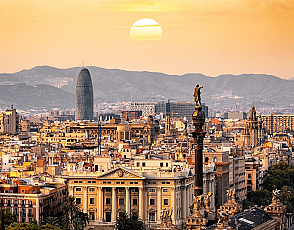
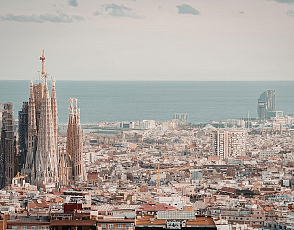
Some briefs are about logistics. Others are about the moment a guest walks in and the room does something to them before a single word is spoken. Barcelona is unusually good at the second kind, and the venues that deliver it most reliably tend to be the oldest ones; built for queens, military commanders, and merchant dynasties centuries before anyone thought to rent them out for a product launch.
We've sourced, visited, and negotiated across all five of the venues below for corporate clients. They range from a Gothic monastery to a working fortress, and none of them are interchangeable. Each suits a different headcount, a different format, and a different kind of impression. Here's how we think about them.
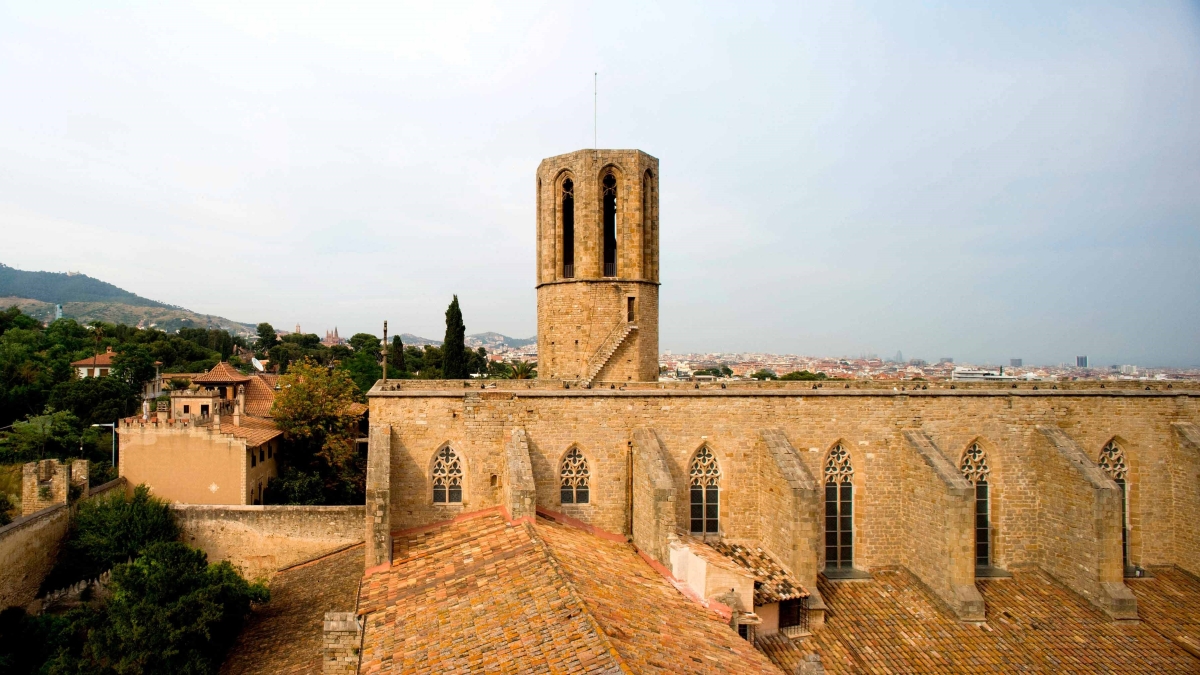
Founded in 1326 by Queen Elisenda de Montcada and built in an extraordinary 13 months, Pedralbes is one of the most intact examples of Catalan Gothic architecture anywhere. The community of Poor Clare nuns lived here continuously until the late 20th century, which means the space carries a stillness that no purpose-built venue can manufacture. It sits in the upper residential district of Les Corts, away from the commercial centre, and the sense of remove is part of what clients respond to.
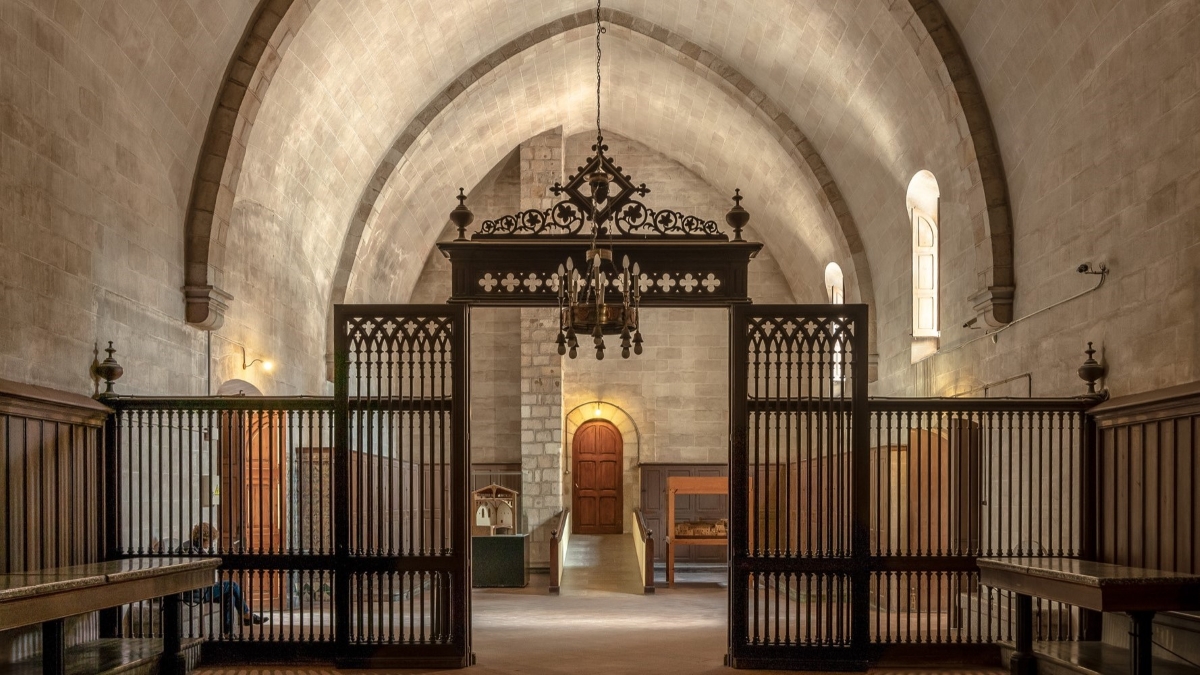
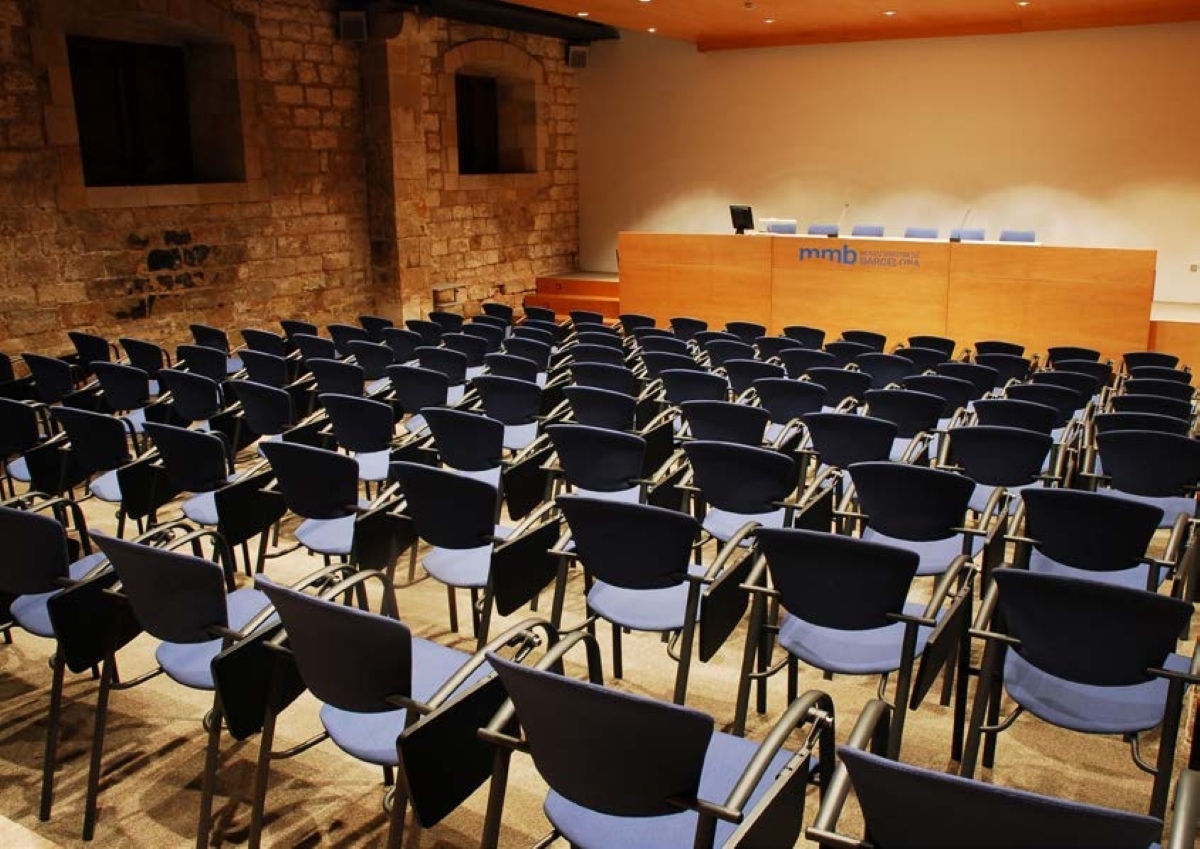
Within the complex, the Refectory, the 220 square metre dining hall where the nuns gathered for meals for nearly seven centuries, works particularly well for focused sessions of up to 150 theatre-style, its vaulted ceiling and natural light shifting the register the moment delegates sit down.
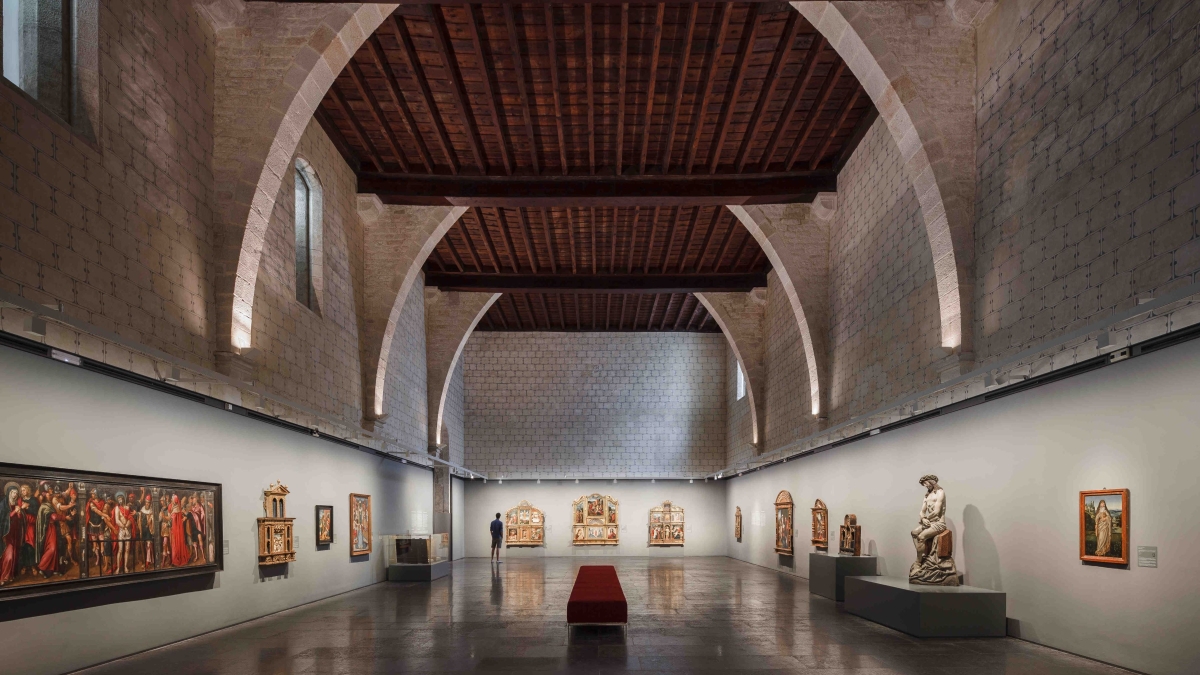
The Cloister, the largest Gothic cloister in the world at 975 square metres, handles receptions for 250, while the Activities Room and Sala Claraboies cover breakouts. For lecture series, seminars, or multi-format days where a group moves from cloister reception to refectory presentation without leaving the building, few venues in the city offer this coherence. Transfers need organising given the location, but that's planning, not an obstacle.

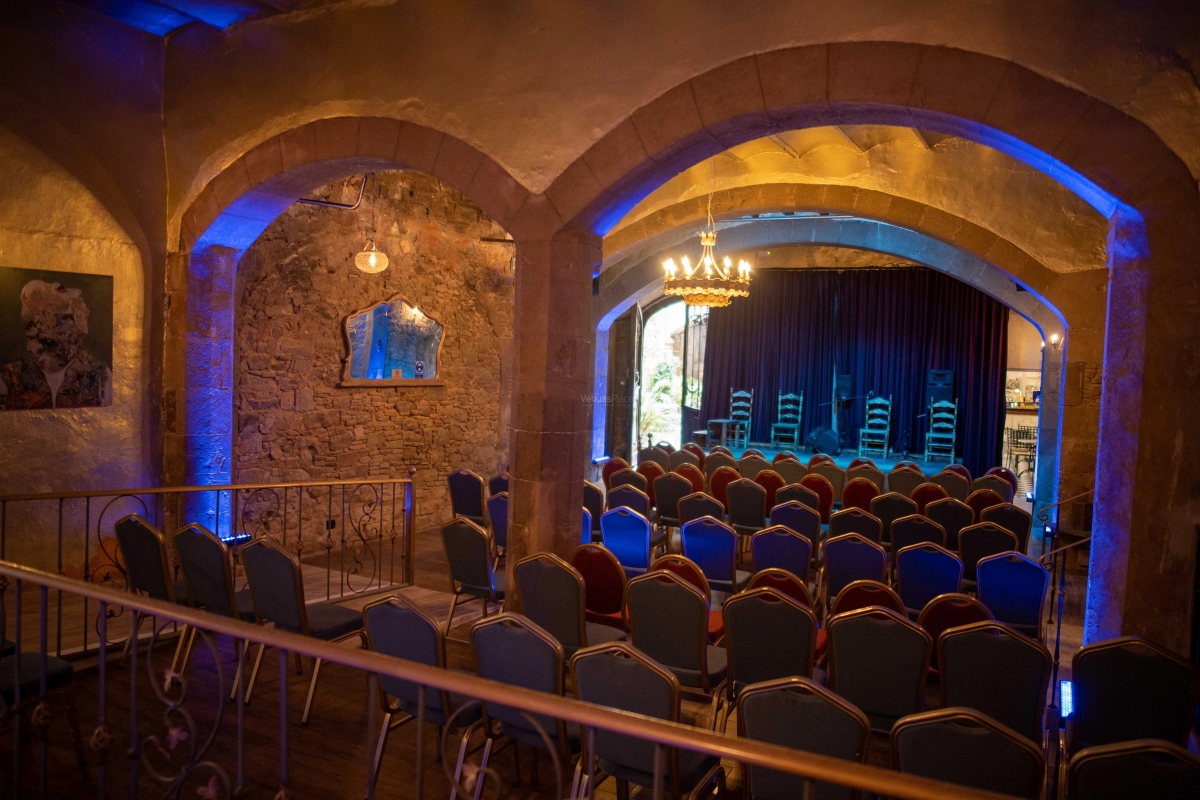
Carrer de Montcada is one of the oldest streets in Barcelona, and Palau Dalmases is among its most intact addresses. The Baroque Hall inside began life as 17th-century stables, and the series of stone arches that made the space functional for horses have survived largely untouched ever since. That heavy construction and generous ceiling height now do something useful: they give the room strong natural acoustics, so speeches and presentations carry clearly without heavy sound reinforcement. What the space does best is contrast.
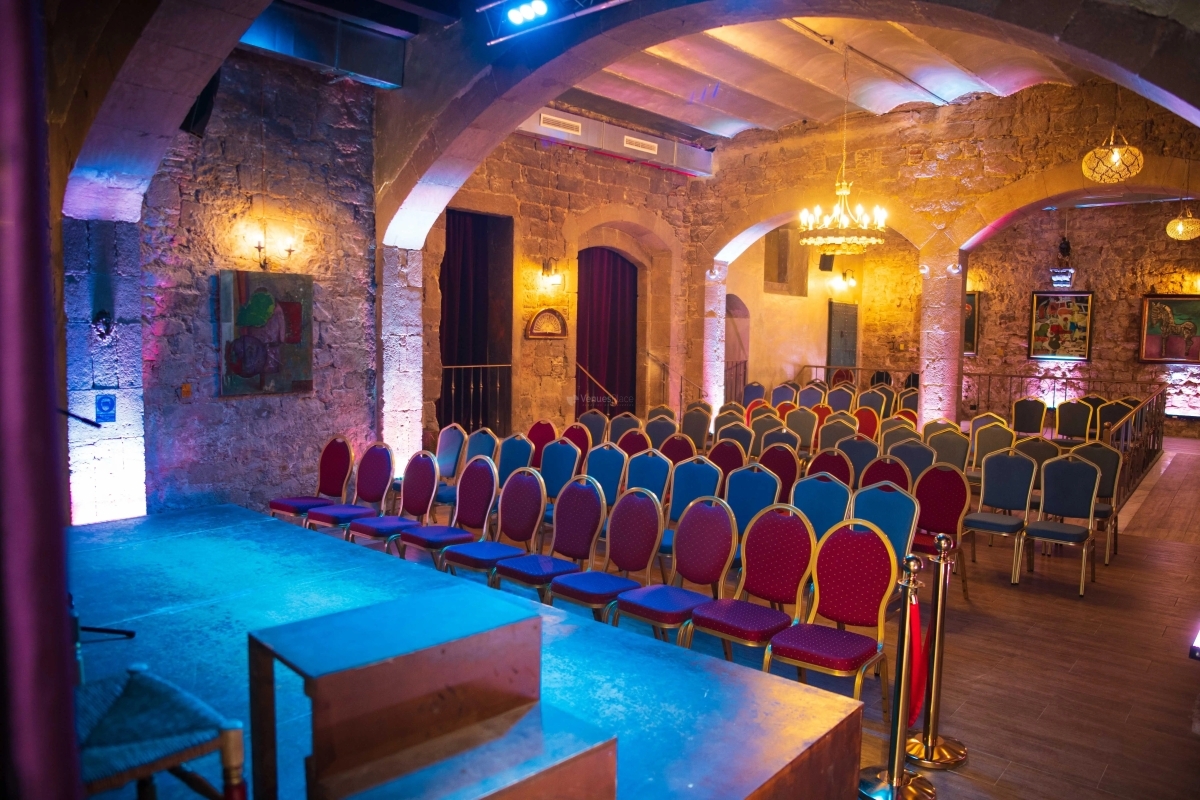
Guests arrive through the narrow streets of the Born, step into a 17th-century courtyard, and find themselves in a room where whatever they've come to see feels weightier than it did an hour before. The scale keeps events focused rather than cavernous, which is exactly why it works for the briefs it suits. For product launches, intimate gala dinners, and brand events where the setting is part of the message rather than a backdrop to it, this is one of the more distinctive rooms in Barcelona. It rewards groups where atmosphere and prestige matter more than raw capacity, and where the architecture is meant to be felt rather than simply filled.

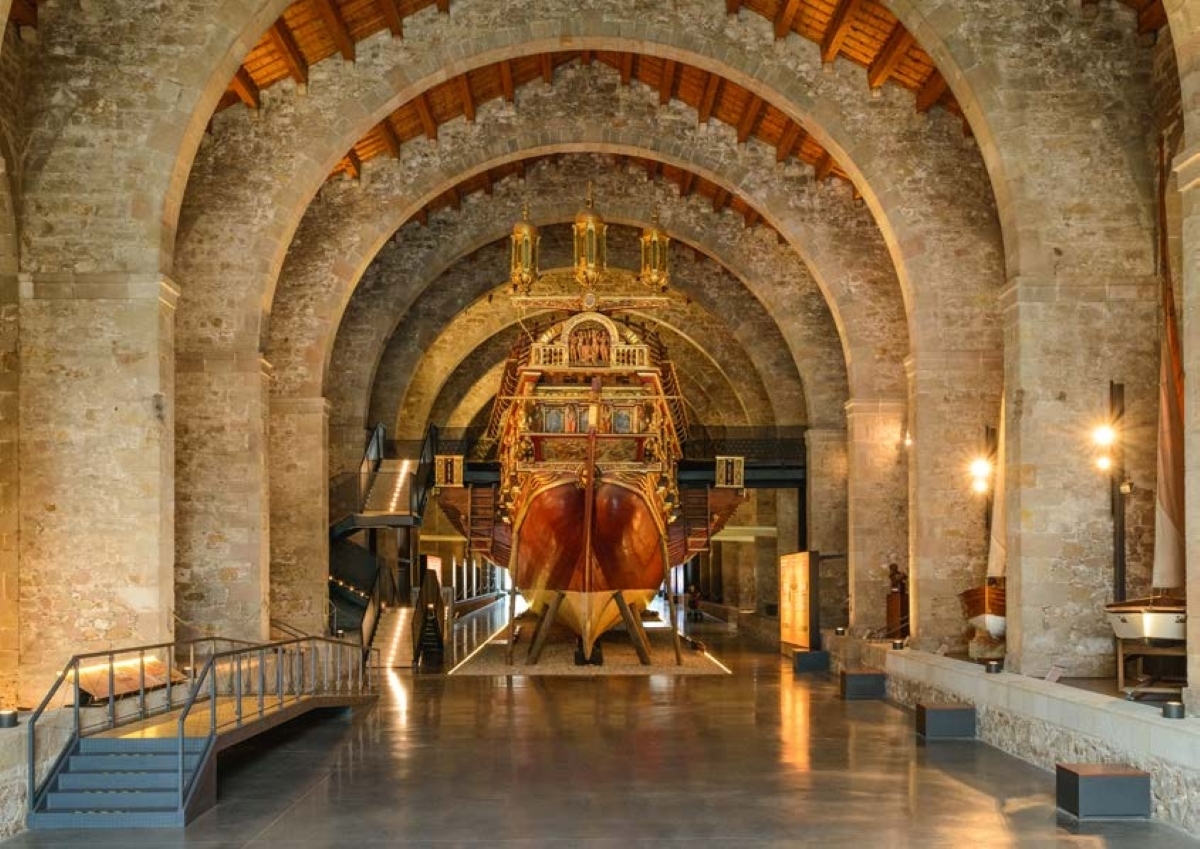
The Royal Shipyards were built from the 13th century onward as the industrial engine of the Crown of Aragon's naval power, and the scale is cathedral-like, except this was designed for building warships, not worship. That industrial Gothic character is exactly why it works for large corporate events: dramatic without being ornate. The Sala Gran is the centrepiece at 1,700 square metres, holding 920 standing or 800 seated for dinner, its 300-year-old stone columns rising to a vaulted roof with surprisingly balanced acoustics for a room this size. Central heating, air conditioning, and full AV power are integrated throughout.
The Grada Major, 1,000 square metres beside a full-scale replica of John of Austria's Royal Galley, suits evening cocktails or seated dinners of 200 to 400, while the 15th-century Botigues de la Generalitat offer a 500 square metre breakout zone. Outdoors, the Jardí del Baluard sits atop Barcelona's medieval city wall and handles 447 guests. Evening hire runs until 1am in the Sala Gran, and a dedicated events manager comes with every booking. For galas, awards ceremonies, and large-format conferences where the venue itself has to carry the atmosphere, this is the strongest option here.

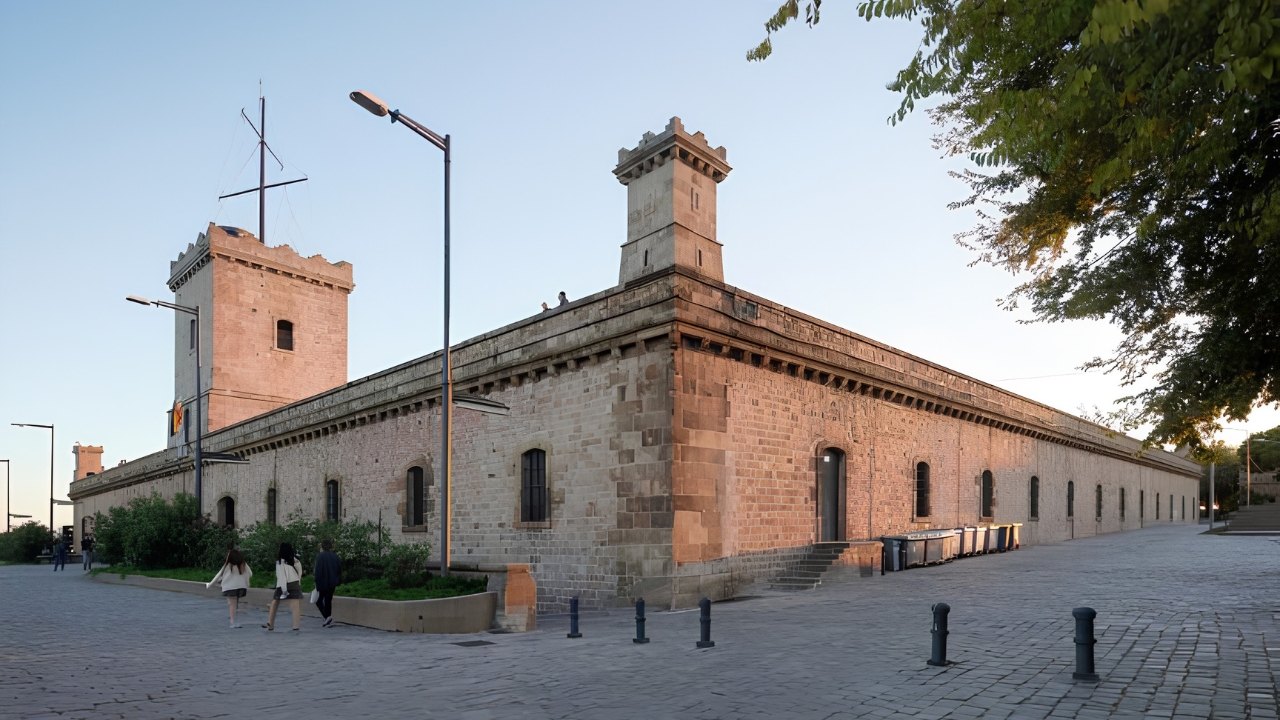
The fortress on Montjuïc has a genuinely complicated past. Built in 1640 in just 30 days by soldiers and civilians, it has served as a garrison, a prison, and a political instrument, and the city only reclaimed it from the state in 2007. That history is present in the space: the original cells are still visible in the covered gallery that frames the courtyard. The Patio de Armas itself is a quadrangular open-air space at the highest point of the castle, 1,870 square metres holding up to 900 guests, with an arcaded perimeter that once housed the governor's residence, officers' quarters, and the bakery.
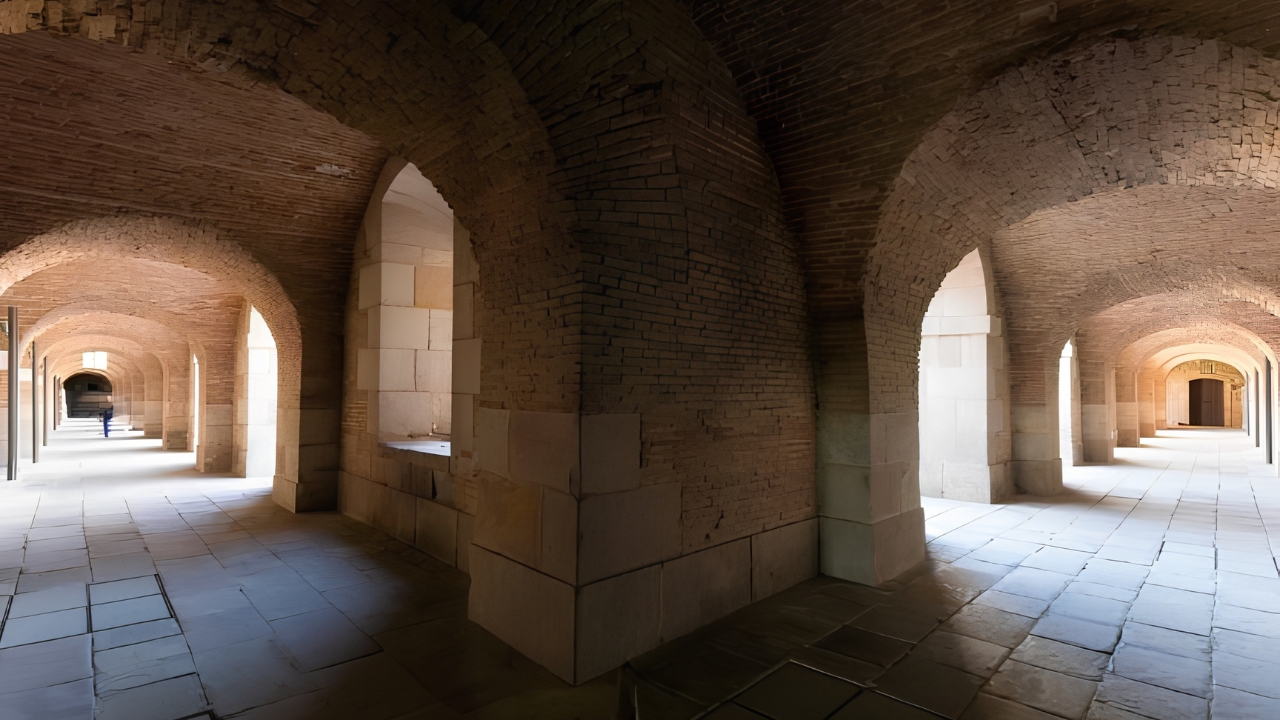
That gallery gives the courtyard a containment most open-air venues lack, while the surrounding terraces open onto panoramic views of the city and the Mediterranean. Combined across all its spaces, the castle reaches 1,200. Two things need planning: rain, since covered backup is limited, and heritage regulations, which restrict certain production installations, both worth coordinating with venue management early. For large-format outdoor galas, receptions, and presentations where the brief calls for genuine spectacle and historical weight, few venues in Barcelona match the arrival experience.

Every venue here has something a hotel ballroom cannot manufacture: time. These spaces were built for purposes that had nothing to do with corporate events, which is precisely why they work so well for them. The contrast between a delegate's ordinary working day and the room they walk into is where the impression gets made.
The practical side, availability, pricing, heritage rules, catering coordination, production access, transfer logistics — is where our experience earns its place. These venues take more careful negotiation than standard hotel spaces, and the commercial terms shift depending on how the enquiry is positioned. If you're building a programme around any of them and want a shortlist, an honest read on what fits your brief, and direct negotiation on terms, get in touch with the Akommo team. We work with these venues regularly and can move quickly with accurate options and pricing.